14 Oct 2026
Exploring Linkages Between High-Volatility Reel Mechanics and Multi-Leg Parlay Structures in Licensed Betting Applications
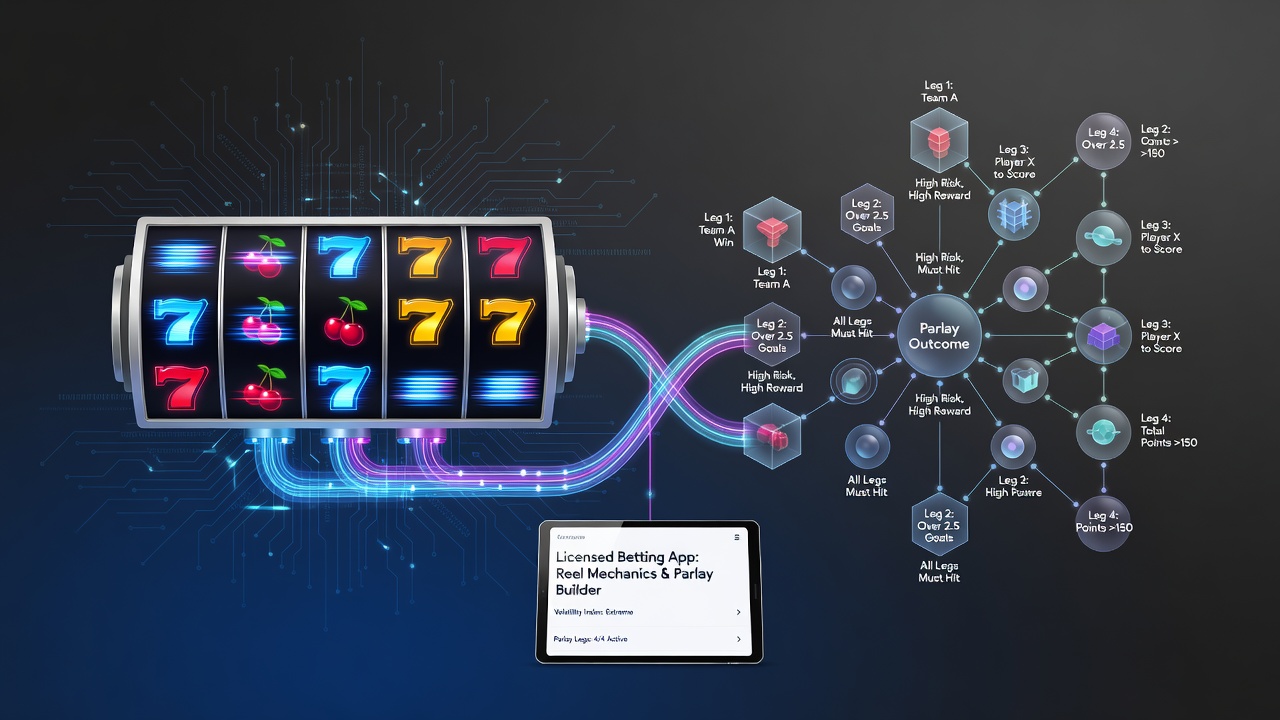
High-volatility reel mechanics in digital slots operate through probability distributions that produce infrequent but substantial payouts, and these patterns share structural similarities with multi-leg parlay structures that require multiple independent outcomes to align for a return. Licensed betting applications integrate both systems within regulatory frameworks that track player activity, payout ratios, and risk exposure across different product types.
Mechanics of High-Volatility Reels
Slot games classified as high-volatility feature reel configurations where symbol combinations trigger less frequently yet deliver larger multipliers when they occur, and developers program these outcomes using random number generators calibrated to specific hit frequencies. Data from European platforms indicate that volatility levels often exceed 10 on standardized scales, which means sessions can extend for hundreds of spins before a notable win registers. Operators in Switzerland and other regulated markets publish return-to-player percentages alongside volatility metrics to maintain transparency for users.
Structure of Multi-Leg Parlays
Multi-leg parlay structures combine several betting events into a single wager where each leg must succeed for the overall ticket to pay out, and the cumulative odds multiply while the probability of success declines exponentially with each added component. Licensed applications display these options through interfaces that calculate potential returns in real time, and figures from North American operators show average parlay ticket values ranging between four and eight legs during peak periods in 2026. Risk models employed by these platforms mirror the variance calculations used in slot design because both systems reward users who accept lower success probabilities in exchange for elevated payouts.
Observed Connections in Platform Design
Analysts have documented how high-volatility reels and multi-leg parlays both emphasize extended play sequences punctuated by rare high-value events, and this shared emphasis appears in user interface elements such as progress indicators and payout previews. A study released by the European Gaming and Betting Association examined transaction logs from multiple jurisdictions and found that users engaging with high-volatility slots also placed a higher proportion of parlay wagers compared with those using medium-volatility games. The correlation emerged because both product categories allow operators to maintain consistent house edges while varying the timing of large disbursements.
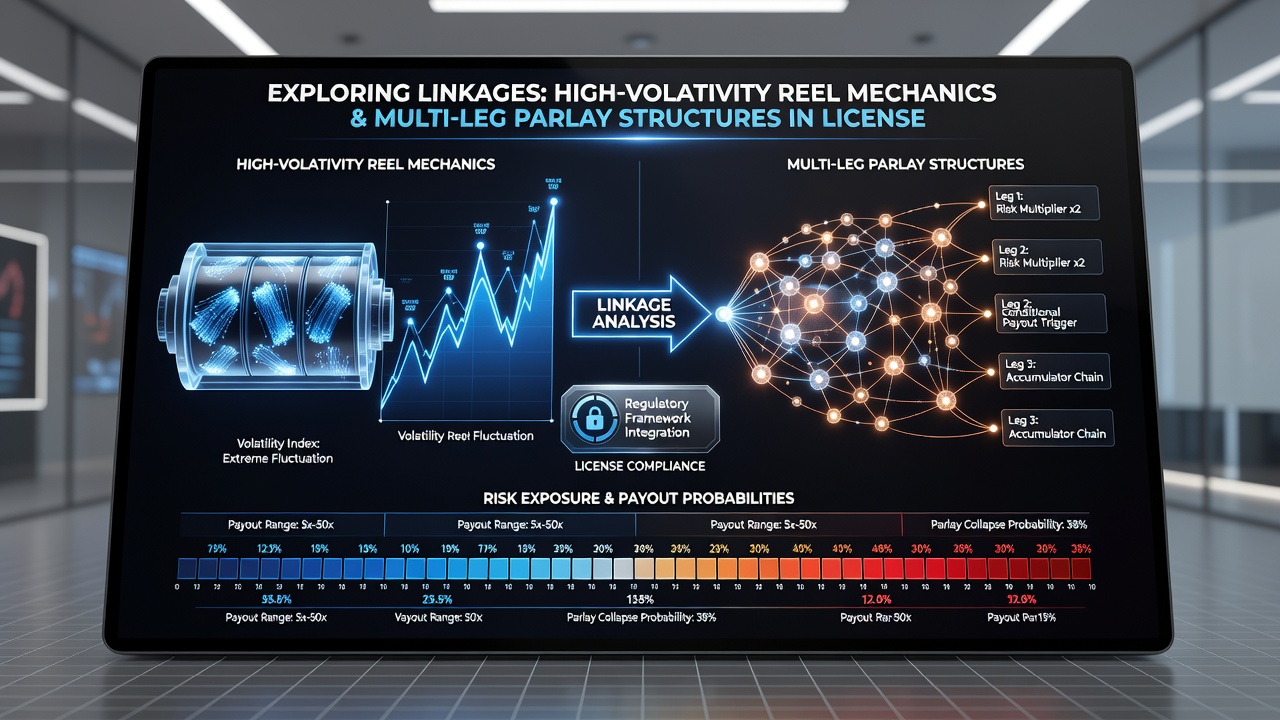
Regulatory bodies in several regions require separate reporting for each vertical, yet the underlying mathematics of variance remains consistent across both. In October 2026, updates to compliance dashboards in licensed systems began incorporating cross-product volatility scores that aggregate slot and sports betting activity into unified risk profiles. These scores help platforms identify accounts that concentrate activity in high-variance segments without triggering individual product alerts.
Regulatory and Data Perspectives
Authorities such as the Nevada Gaming Control Board maintain records that separate slot performance data from sports wagering statistics, and these records demonstrate parallel distributions in payout timing. Researchers at the Australian Gambling Research Centre published findings in 2025 that linked volatility indices in reels to equivalent metrics in exotic betting formats, noting that player session lengths increased when both features were available on the same application. Licensed operators respond to these observations by adjusting responsible gaming tools, including session timers and loss-limit prompts calibrated to volatility levels rather than product type alone.
Further examination of aggregated data reveals that multi-leg parlays often function as the sports-betting counterpart to high-volatility reels because both require users to accept extended sequences of non-winning outcomes. Platforms licensed under Swiss federal rules, for example, must display clear probability information for parlays and volatility ratings for slots, which creates comparable disclosure standards across verticals. Industry reports from the Canadian Gaming Association indicate that cross-promotional features appear more frequently when volatility metrics align between slot and parlay offerings.
Conclusion
The structural parallels between high-volatility reel mechanics and multi-leg parlay structures rest on shared principles of variance, payout timing, and risk calibration within licensed betting applications. Data collected across multiple regulatory environments continue to show measurable overlaps in user behavior patterns and platform design choices. Operators maintain compliance through unified reporting frameworks that treat volatility as a cross-product characteristic rather than a feature isolated to one vertical.